Cascading slots: one paid start can contain several evaluations
In a cascading slot, qualifying symbols can disappear and be replaced during the same sequence. The important distinction is between the paid starting action and the evaluations that follow inside that round. When browsing a Zora title with tumbles, avalanches or another cascade label, read the actual rule rather than assume every label describes an identical feature.
Track the round total across the sequence. A display may show a small component win, then update a cumulative total after another evaluation. Adding every cumulative number together would count some wins twice. For illustration, a total progressing from €1 to €3 means €3 cumulatively, not €4, if the display uses that convention. The title’s history and labels must confirm it.
Multipliers add another question. Determine whether a multiplier applies to the next evaluation, the entire round or a specified feature, and whether it resets. The same visible number can have different consequences under those rules. A growing animation is not evidence that the next cascade will continue.
Before another paid start, check that the sequence has ended and the interface has settled the result. An automatic-looking sequence should not be confused with an enabled autoplay setting that purchases new rounds. Knowing which action starts a new charge is more useful than counting the number of moving-symbol animations.
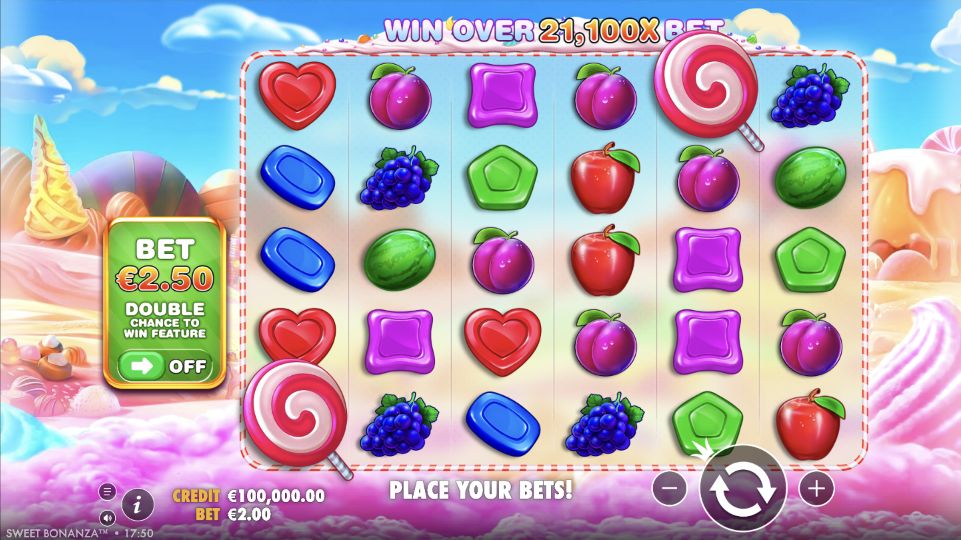
Mark the boundary between the paid start and its aftermath
Create a simple sequence: stake accepted, first evaluation, replacement symbols, further evaluation, final settlement. The replacement step can belong to the original paid round rather than a second spin purchase. This distinction matters when estimating session pace and checking a history record. Several seconds of motion do not necessarily mean several debits, just as a rapid new paid start may create a separate debit with little animation.
The Sweet Bonanza demo observed on Zora supplies a concrete visual example of symbols tumbling after an evaluated result. Use its rules for that build when explaining the sequence. Another game using the word avalanche may add different stopping, multiplier or symbol rules.
Identify whether the number is incremental or cumulative
Consider component awards of 0.20, 0.30 and 0.50 units. Their sum is 1 unit. A cumulative counter might display 0.20, then 0.50, then 1.00. Adding those displayed counters would produce 1.70 and overstate the result. A separate per-cascade label, where provided, instead describes only the latest component. The labels and final history determine which interpretation is correct.
Record the starting stake once for this hypothetical sequence, then the final return once. If the whole round cost 0.80 units, the net result would be 0.20. This arithmetic does not describe a promised tumble pattern; it shows why understanding the counter is essential before discussing the outcome.
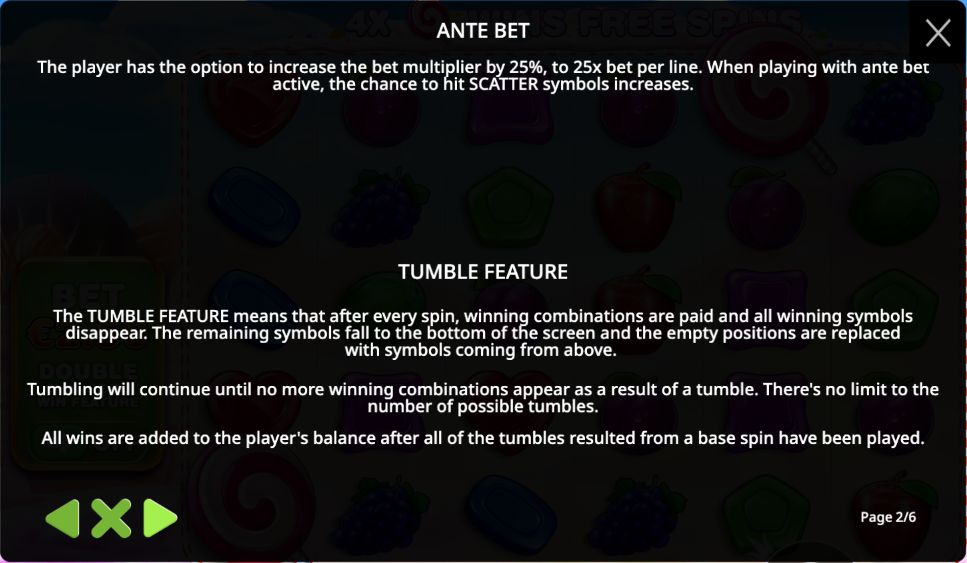
Read stopping and reset rules together
A cascade sequence often stops when its stated continuation condition is no longer met, but special symbols or features can modify that behaviour. Find the exact condition in the title’s rules. If a multiplier meter changes during the sequence, establish whether it resets at the next paid round, at a non-winning evaluation or only at the end of a feature.
Two screenshots taken at different points can therefore show different multiplier values without contradicting each other. Their captions need the stage and mode. A growing counter is not a signal that another winning cascade is due; it describes the current rule state, not a prediction of the next symbol arrangement.