Spin speed and the amount exposed during a session
The speed of a slot affects how many paid decisions fit into a session. It does not by itself improve the mathematics of a round. When comparing games on Zora, treat animation speed and any automatic-play controls as budget settings rather than a route to a higher payout rate.
Consider an illustrative 0.50-unit stake. Twenty paid rounds involve 10 units of gross stakes; one hundred involve 50 units. This is not the net loss, because returns may be credited and replayed, but it shows why rapid play can use a budget sooner than expected. The deposit amount and the total amount wagered during a session are different measurements.
Before starting, decide a time limit and an amount you can afford to lose. If the game offers automatic play, read the stop settings and confirm whether a stop refers to one win, a balance change or a number of rounds. A limit on rounds alone does not establish a monetary loss limit. If those controls are absent or unclear, manual play still allows a pause after each completed round.
At the end of a feature, wait for the final result and reassess the balance before resuming. A long animation may contain several awards within one paid round, while rapid ordinary spins can create many separate charges. Do not count visual events as stakes. A session note containing start balance, end balance, duration and total stakes where available gives a clearer picture than remembering only the largest win.
Count accepted paid starts rather than animation events
A long tumble feature may contain many visual evaluations within one paid round. Rapid ordinary play can instead create several separate charges during the same amount of time. Counting moving reels or win animations therefore gives a misleading picture of exposure. Use accepted starts and their total costs, with feature purchases recorded at their full price.
As a teaching comparison, forty paid starts at 0.25 units create 10 units of gross stakes, while forty at 1 unit create 40. The same number of actions has four times the commitment. Neither total equals net loss without considering returns, but the comparison makes the price of pace and stake choice visible before the session starts.
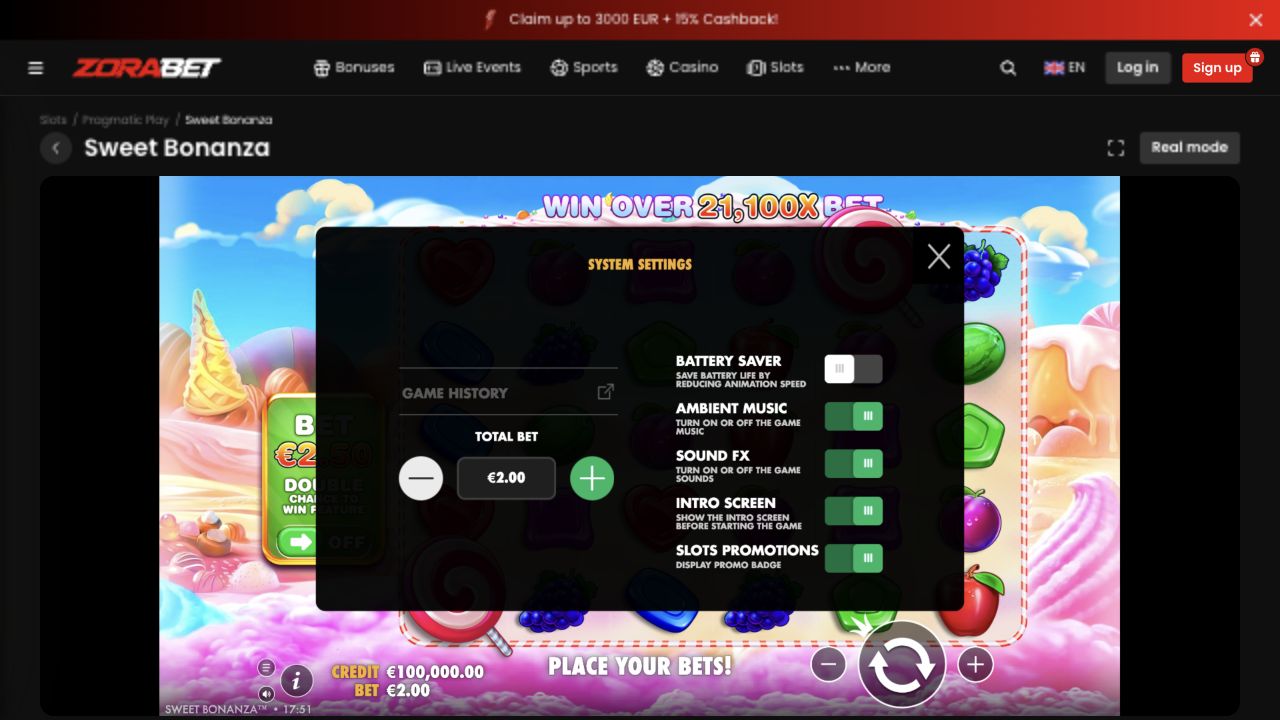
A stopping rule must name the quantity it controls
A ten-minute boundary, a maximum number of rounds and a maximum affordable loss measure different things. A time limit does not prevent an expensive action within that time; a round limit can include very different stake sizes; a win stop may refer to a single award rather than the session’s net result. Read any available control according to its exact definition.
Set the intended boundary before play and avoid extending it because a feature seems close. If the interface does not provide a control you understand, do not assume it will enforce the limit for you. A manual pause after each settled round can create a decision point, but it still requires respecting the amount and time you originally chose.
Gross activity and net change belong in separate notes
Suppose a session starts with 20 units, includes no further deposits or withdrawals, and ends with 14. Its net change is minus 6. The total amount wagered might be much larger than 20 because returns were replayed. That turnover is relevant to understanding activity, but it should not be described as the amount deposited or the final loss.
If an unsettled round remains, mark the ending figure as provisional rather than guessing its result. A later adjustment belongs with a dated note. The purpose is an accurate account of the session, including an unprofitable one, not a way to make the figures look better by changing the measurement.
Use the pause to reassess, not to predict
After a feature or a rapid sequence, wait for settlement and check the current balance against the original boundary. A recent win does not make another stake free, and a recent loss does not make a recovery due. The next action is a new commitment whose full cost should remain visible.
If play no longer follows the planned amount or time, end the session and use the operator’s available limit or support routes as appropriate. Faster controls and dramatic feature screens are interface choices, not a reason to remove stopping points. The useful comparison between games includes how clearly each lets you understand and interrupt paid activity.